



QUAY Construction, a Vancouver renovation contractor, shared a guide for rental property owners: "What to Fix Before It Gets Expensive: A Contractor's Guide for Rental Property Owners." This is their professional perspective from the construction side, in my own words — not legal advice, and not a promise about costs or results.
I'm Devin Desaulniers, a Real Estate Associate with Axford Real Estate in Port Moody. I work with renters, landlords and newcomers in the Tri-Cities, BC.
Their starting point is simple: "Most expensive rental repairs start out small." Under section 32 of BC's Residential Tenancy Act, a landlord must keep a rental in a state of repair that meets health, safety and housing standards and is suitable for a tenant to live in.
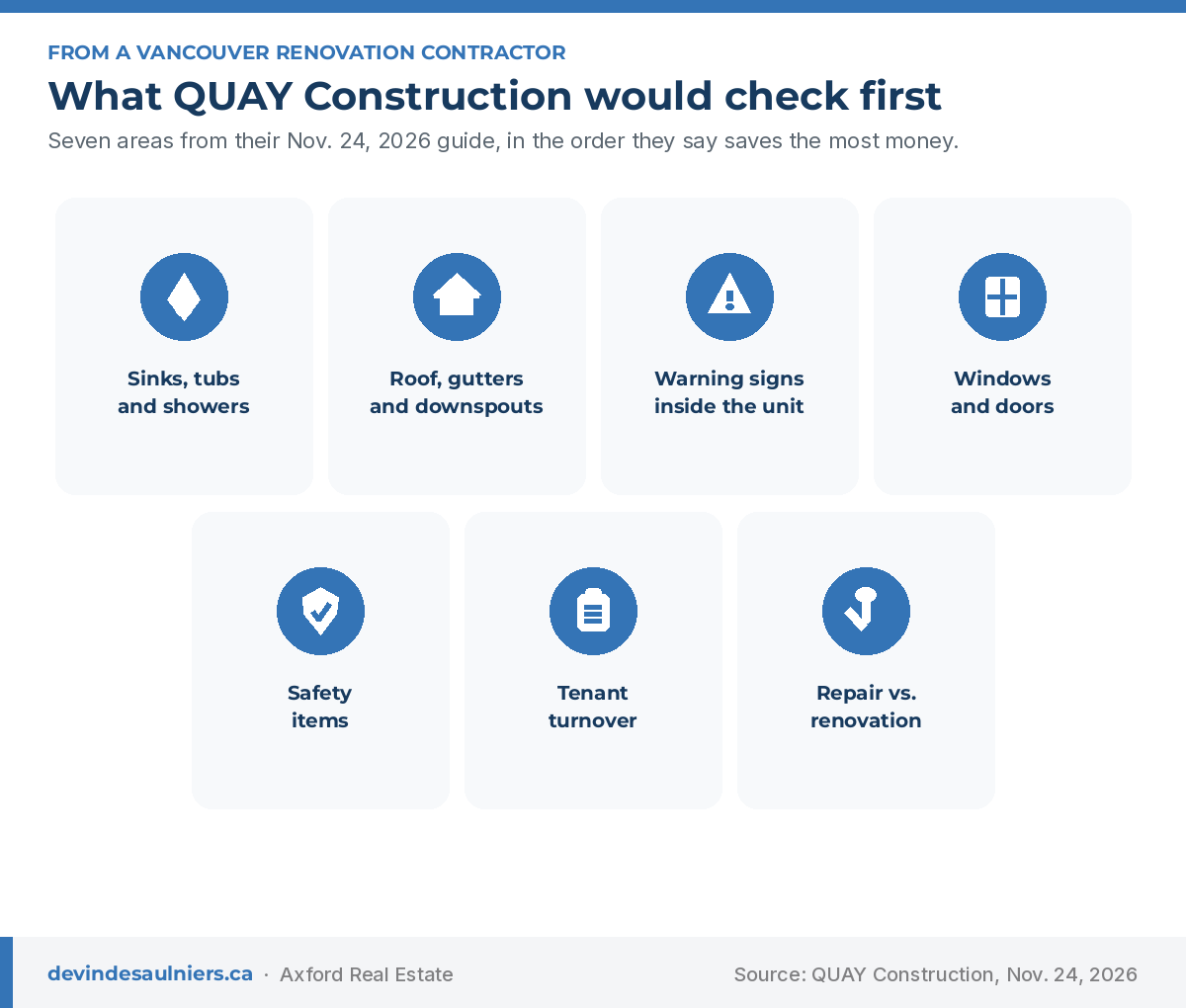
Water first, including the roof and gutters
QUAY says water causes more hidden damage in rentals than anything else, often because it isn't seen, or isn't reported, until it shows. They would look for:
- Staining, a swollen cabinet floor, corrosion or a damp smell under sinks
- Cracked caulking and grout around tubs and showers
- A toilet that rocks, or staining at the base
On the West Coast, rain is constant, so the roof and drainage work hard. Clean gutters at least once a year, and after the fall leaf drop. Make sure downspouts carry water away from the building, and look from the ground for missing shingles, moss and damaged flashing.
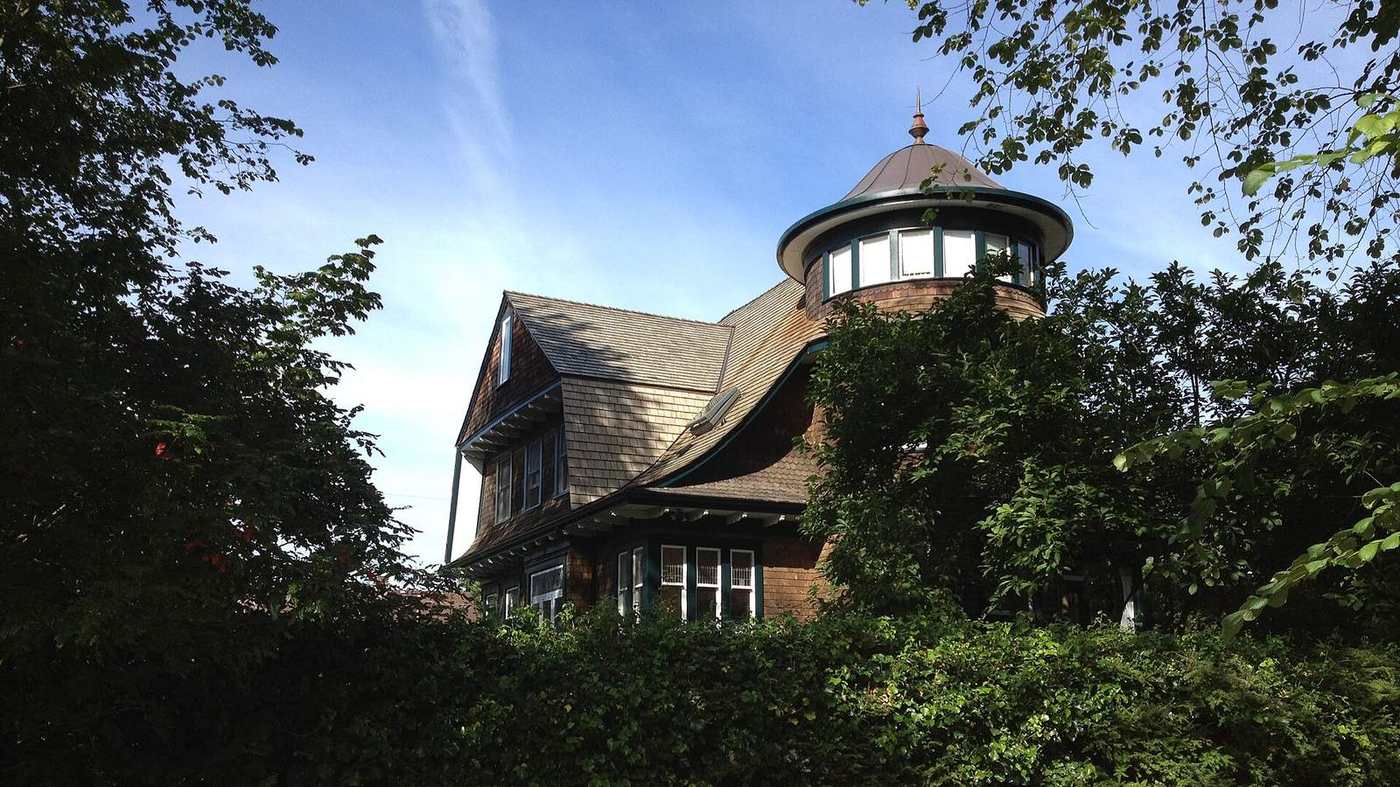
Photo: a house in Vancouver, where West Coast rain keeps roofs and gutters working hard. Socratic / Wikimedia Commons (CC BY-SA 3.0).
Warning signs inside
Some of the most useful information, in QUAY's view, comes from simply walking the unit:
- Soft or bouncy floors, especially near bathrooms, kitchens and exterior doors
- Ceiling stains, even old-looking ones, that still need an explanation
- Musty smells, or bubbling paint and peeling drywall tape
- Drafts, failed window seals, or mould on sills (often a ventilation issue — check that fans vent outside)
- Exterior doors that don't close and latch properly, or worn thresholds and sweeps
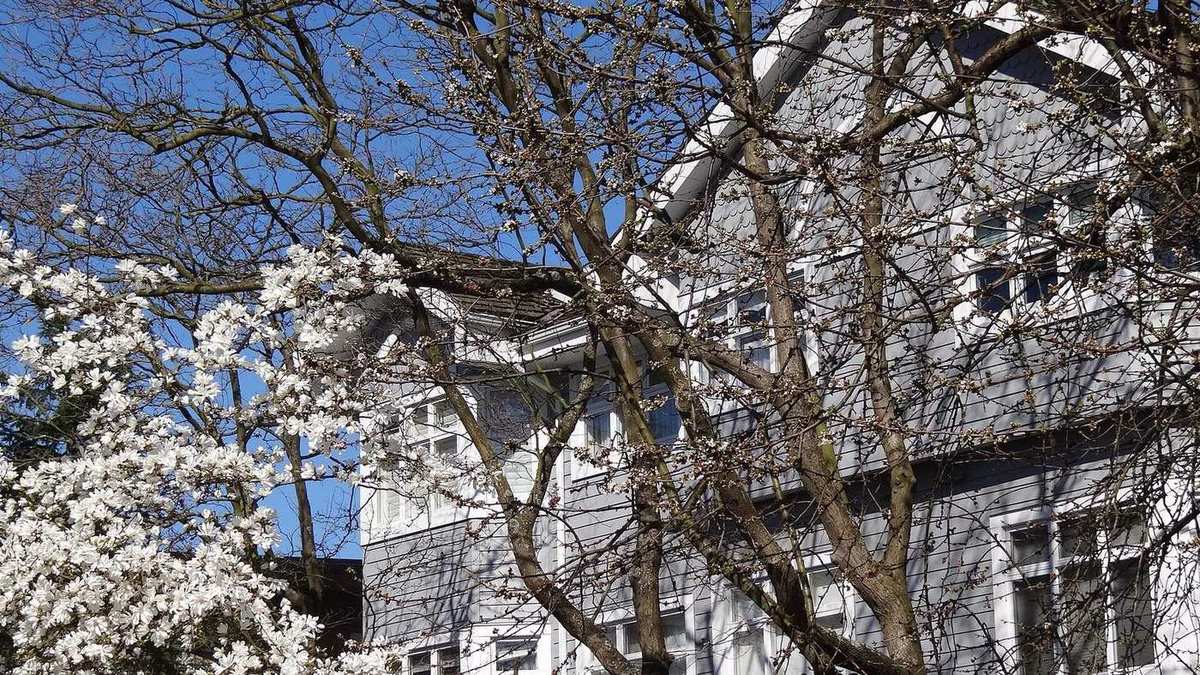
Photo: a house in Kitsilano, Vancouver. Adam Jones / Wikimedia Commons (CC BY-SA 2.0).
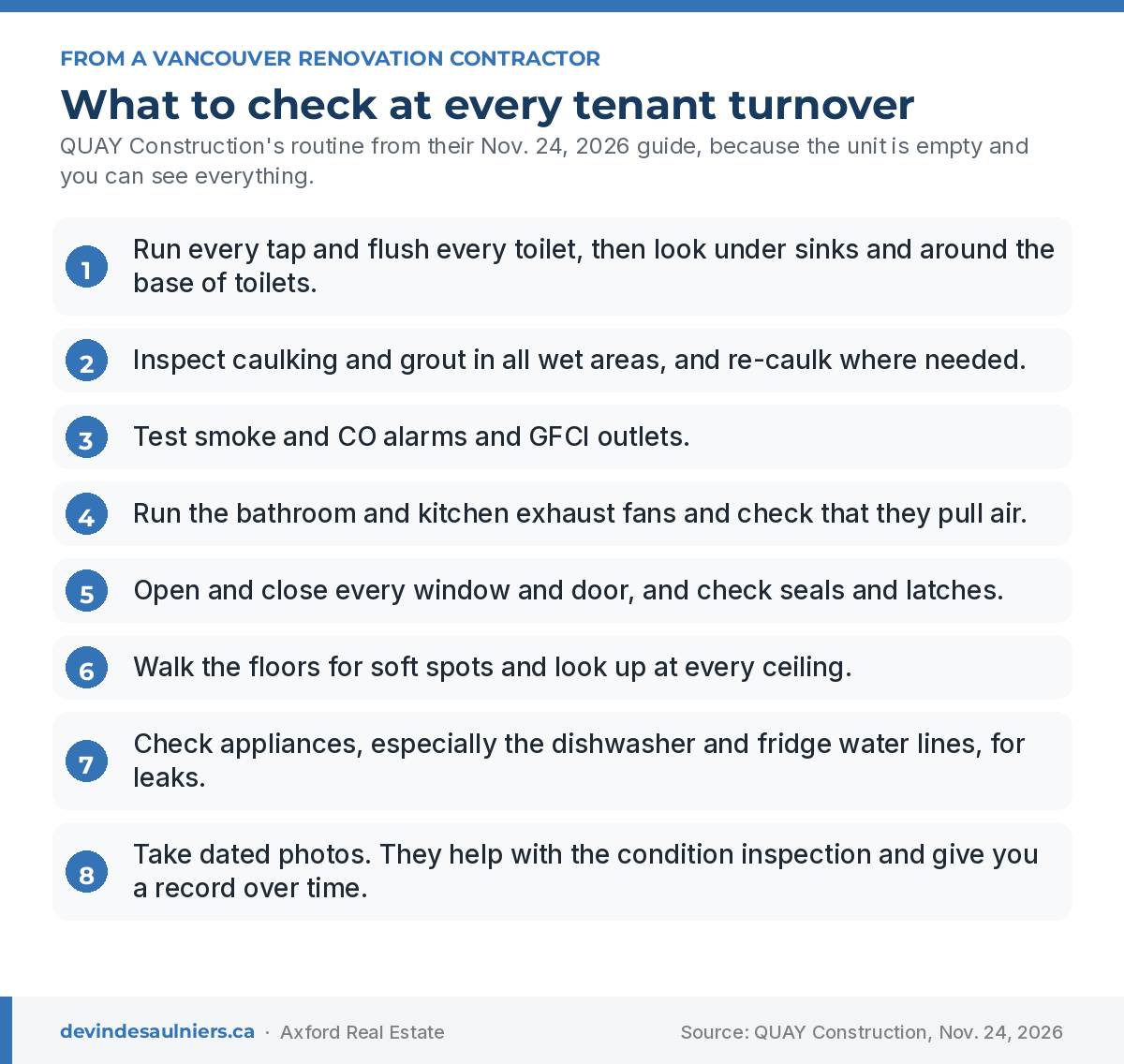
What to check at every turnover
QUAY says turnover is the time to catch problems, because the unit is empty. Here is their routine:
Safety items, and when a repair should become a renovation
These are quick to check, they say:
- Test smoke and carbon monoxide alarms, replace batteries, and check the replacement date. Units with fuel-burning appliances or an attached garage should have CO alarms.
- At GFCI outlets near water, press the test button and make sure power cuts out, then reset it.
- Handrails and guards should be solid. Locks on entry doors should work smoothly.
Several overlap with emergency repairs under section 33 of the Residential Tenancy Act, including major leaks, damaged plumbing, the primary heating system, defective entry locks and the electrical system.
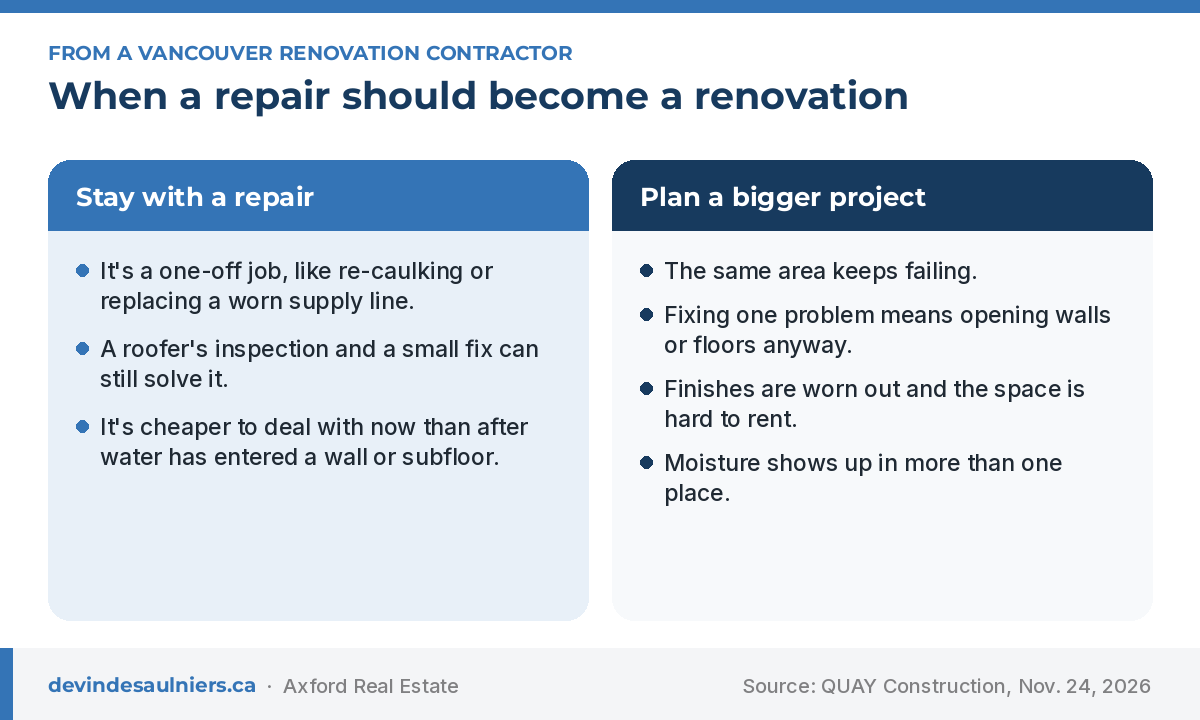
Sometimes patching stops making sense. Planning a bigger project between tenancies, they note, keeps disruption and lost rent down.
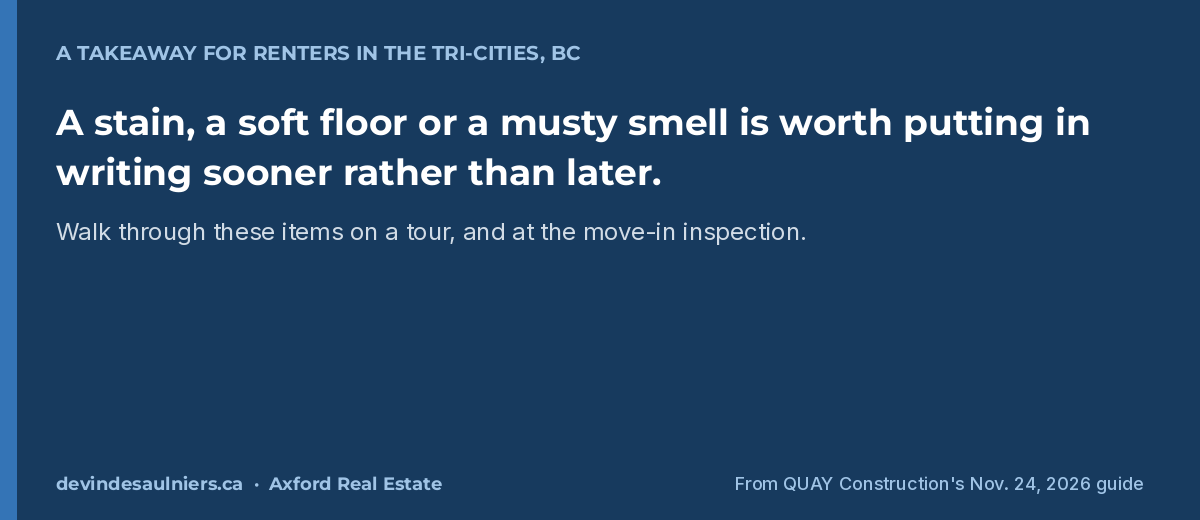
If you rent in the Tri-Cities, BC, or you're looking for a rental or relocating to Greater Vancouver, walk through these items on a tour and at move-in. If you own a rental, you can read more about QUAY Construction on their site.